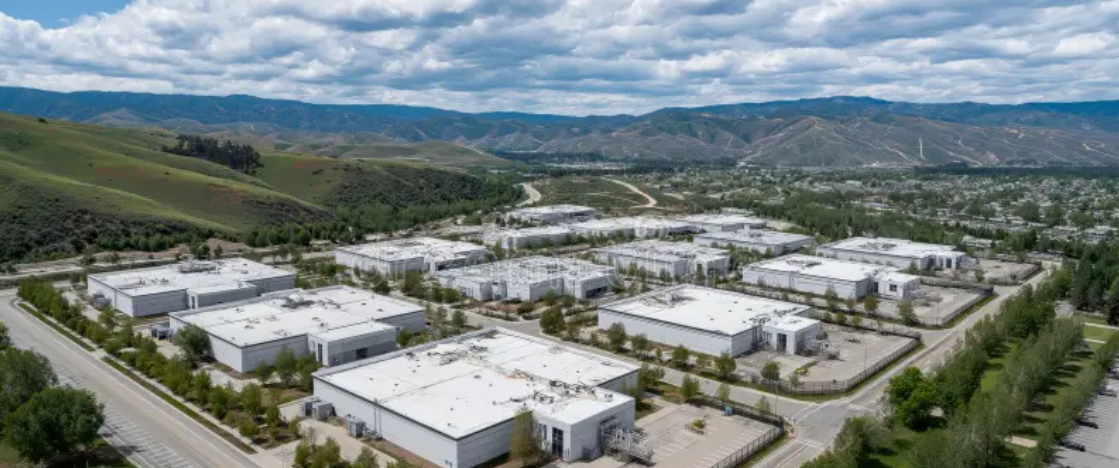
Environmental Coalition Urges National Moratorium on New US Data Centers
More than 230 environmental groups say AI-driven data center growth is driving up utility bills, worsening the climate crisis, and straining scarce water supplies—calling for a pause on new construction until stronger safeguards are in place.
Overview
A coalition of over 230 environmental organizations, including Greenpeace and Friends of the Earth, has called on the US Congress to impose a national moratorium on new data centers. In a joint letter, they argue that the largely unregulated buildout of these energy-hungry, water-intensive facilities threatens Americans’ economic, environmental, climate, and water security.
Why Data Centers Are Under Fire
The groups focus on how the rapid expansion of data centers—especially those serving the booming artificial intelligence industry—is already being felt in everyday life:
- Escalating electricity bills: Data centers are accused of worsening utility bill increases for households and businesses. Rising energy costs have become a major political issue and are seen as a factor in recent Democratic electoral gains in states such as Virginia, New Jersey, and Georgia.
- Worsening the climate crisis: The energy demand of US data centers is expected to nearly triple over the next decade. By 2030, their growth could add up to 44 million tons of carbon dioxide to the atmosphere, locking in higher emissions just as climate goals require deep cuts.
- Water scarcity: Data centers require large volumes of water to cool server equipment. In drier and drought-prone regions, this added pressure on local water supplies has sparked controversy and pushback from communities.
What the Moratorium Would Do
The coalition’s letter urges Congress to halt new approvals for data center projects nationwide until comprehensive regulations are in place. Specifically, they want federal policymakers to:
- Pause permits for new data centers across the US.
- Assess cumulative impacts on electricity demand, climate emissions, and local water systems before allowing further buildout.
- Establish clear, enforceable safeguards so new facilities do not undermine affordability or climate and water goals.
A Cross-Party Issue Built Around Utility Bills
A key reason the moratorium push is gaining attention is its focus on household energy costs. Framing the debate around utility bill affordability, rather than only abstract climate metrics, has helped unite critics from across the political spectrum—bringing together environmental advocates, ratepayer groups, and local communities.
As data centers multiply in suburbs and rural areas, their local footprint on energy and water infrastructure is becoming a flashpoint. The coalition hopes a moratorium will buy time to develop rules that balance the growth of AI and digital services with the protection of communities and essential resources.
Lawmakers Responding to the Moratorium Push
Although more than 230 environmental groups have formally called for a national moratorium on new data centers, no federal lawmakers have yet endorsed a nationwide pause exactly as proposed. Still, concerns about AI-driven energy consumption and water strain are growing across Congress and several states.
National Level
At the federal level, lawmakers have not backed a full moratorium, but a number of members of Congress have raised alarms about the rapid rise in electricity demand, carbon emissions, and water use tied to AI and large-scale data center growth.
State-Level Actions (Strongest Activity)
The most concrete policy activity is occurring at the state level, particularly in Virginia — home to “Data Center Alley,” the largest concentration of data centers in the world.
-
Virginia:
Lawmakers have proposed temporary moratoria near residential areas, water-use disclosure
requirements, and limits on converting agricultural land to industrial data center space.
Notable voices include:
- Sen. Chap Petersen — has previously introduced moratorium-style measures.
- Del. Danica Roem — advocates for thorough infrastructure impact assessments.
- County boards in Prince William and Loudoun County — have enacted temporary freezes.
- Georgia, New Jersey, Oregon: Local and state officials are increasingly questioning whether utilities should be required to build expensive new generation capacity to support data centers, whether water-use impacts should be reviewed, and whether permitting should pause until emissions forecasts are updated. These efforts remain regional and are not yet coordinated at the federal level.
Federal Lawmakers Likely to Take Up This Issue
While no members of Congress currently support a national moratorium, several are positioned to take interest based on prior actions on AI oversight, energy policy, and water security.
Democrats likely to engage:
- Sen. Ed Markey (MA) — long-standing advocate on tech accountability and climate policy.
- Sen. Jeff Merkley (OR) — strong focus on water rights and environmental protection.
- Rep. Ro Khanna (CA) — prominent voice on AI regulation and tech-sector responsibility.
- Rep. Rashida Tlaib (MI) — vocal critic of data center water use.
- Rep. Jared Huffman (CA) — active on climate, energy, and water issues.
Moderate Republicans who may support local control:
- Rep. Brian Fitzpatrick (PA) — bipartisan record on environmental measures.
- Sen. Lisa Murkowski (AK) — focus on water and energy infrastructure stress.
- Rep. Mike Gallagher (WI) — critical of unchecked AI energy demand (though not pro-moratorium).
None of these lawmakers have endorsed a national moratorium, but their committee roles, public statements, and policy priorities place them closest to the emerging debate over the energy and water footprint of AI expansion.
Seattle Region Lawmakers
1. Sen. Patty Murray – Likely Position
Sen. Murray is strong on climate policy, consumer protection, and water-resource issues across Washington. However, she is not typically a supporter of broad national bans unless significant political momentum already exists.
- Full national moratorium: Low to moderate likelihood.
- Targeted regional pauses: Moderate likelihood, especially where grid or water systems are stressed.
- Federal oversight and transparency standards: High likelihood.
- Hearings or GAO investigation: Very high likelihood.
Is a letter appropriate?
Yes. Murray responds most effectively to a “safeguard” framing rather than a “moratorium” framing.
Emphasize concerns about utility bill spikes, grid reliability, water impact in drought-affected
regions, and AI’s explosive energy footprint. A message structured around “we need standards before
uncontrolled expansion” aligns well with her policy approach.
2. Sen. Maria Cantwell – Likely Position
Sen. Cantwell chairs the Senate Commerce Committee, which oversees major areas relevant to AI and data-center growth including technology, broadband, AI policy, commercial impacts, and energy-adjacent infrastructure. This places her at the center of any federal action on data-center regulation or oversight.
- Full national moratorium: Low likelihood.
- Federal environmental and energy-impact standards: High likelihood.
- Mandatory reporting of water and energy use: High likelihood.
- Hearings on AI-related power demand: Very high likelihood.
- Temporary regional pauses pending impact review: Moderate likelihood.
Is a letter appropriate?
Absolutely — and likely the most strategically impactful. Cantwell responds strongly to themes of
oversight, transparency, grid stress, and consumer protection. Asking her to “use Commerce
authority” to address energy cost spikes driven by AI or to “hold a Senate Commerce hearing on AI
energy demand and data-center expansion” is directly aligned with her committee role and priorities.
3. Rep. Pramila Jayapal – Likely Position
Rep. Jayapal is a progressive leader focused on climate justice, equity, and corporate accountability. She is attentive to community impacts and more willing than most federal lawmakers to consider limits on industry expansion when environmental risks are high.
- Full moratorium: Moderate likelihood — higher than the senators.
- Targeted regional moratoriums: High likelihood.
- Strict environmental and water-use regulation: Very high likelihood.
- Strong AI oversight mandates: Very high likelihood.
Is a letter appropriate?
Yes — and she is the most likely of the three to respond positively. Jayapal often amplifies
constituent letters addressing tech accountability, climate protections, water security, and
concerns about unchecked AI-driven expansion. She is also the most receptive to arguments rooted
in environmental justice, utility affordability, and community impact.